
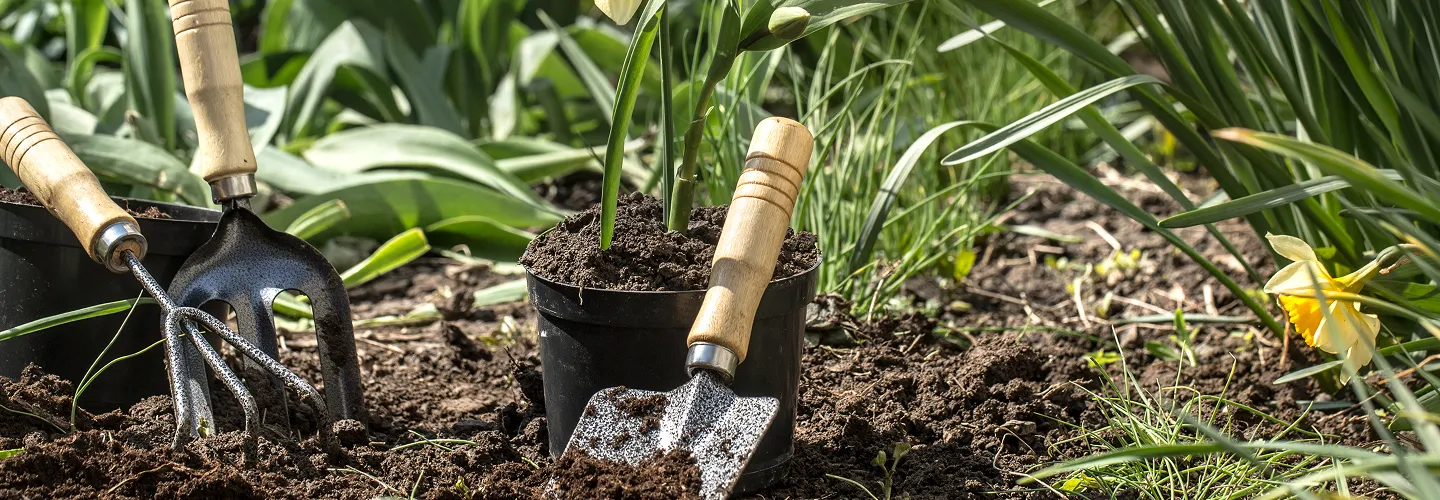
San Marcos Estates Flower Bed Maintenance Services
Choose our Flower Bed Maintenance for expert care, healthy blooms, and a stunning landscape that enhances your home's curb appeal—let us handle the details so you can enjoy a flourishing garden without the hassle.
Get a Free QuoteOur San Marcos Estates Landscaping & Yard Care Services
When to Schedule Flower Bed Maintenance in San Marcos Estates, Arizona – Seasonal Guide
In San Marcos Estates, Arizona, the timing of flower bed maintenance is crucial for ensuring vibrant, healthy landscapes throughout the year. The region’s unique climate—characterized by hot, dry summers and mild winters—means that optimal maintenance windows differ from those in other parts of the country. For most properties near Chandler Boulevard or the San Marcos Golf Course, early spring and late fall are ideal for major cleanups, mulching, and planting, as these periods avoid the harshest heat and allow plants to establish before temperature extremes.
Local environmental factors such as the area’s alkaline soil, sporadic rainfall, and the risk of late spring frosts can all impact the success of your flower beds. Homeowners should also consider the shade provided by mature trees common in neighborhoods like The Islands, as well as municipal watering restrictions that may affect irrigation schedules. For more information on local regulations and resources, visit the official Sudbury municipal site.
Local Factors to Consider for Flower Bed Maintenance in San Marcos Estates
- Tree density and shade coverage from mature landscaping
- Soil type (alkaline, sandy, or clay-heavy soils)
- Annual precipitation patterns and drought risk
- Frost dates and temperature fluctuations
- Terrain and drainage around your property
- Municipal watering restrictions and guidelines
Benefits of Flower Bed Maintenance in San Marcos Estates

Enhanced Curb Appeal
Weed and Pest Prevention
Healthier Plant Growth
Seasonal Color Management
Professional Landscape Expertise
Increased Property Value

San Marcos Estates Flower Bed Maintenance Types

Seasonal Flower Planting
-
Weed Control Services
-
Mulching and Soil Conditioning
-
Pruning and Deadheading
-
Fertilization Programs
-
Pest and Disease Management
-
Irrigation System Maintenance
Our Flower Bed Maintenance Process
Site Evaluation
Weed Removal
Soil Preparation
Plant Care
Mulching
Why Choose San Marcos Estates Landscape Services
-
San Marcos Estates Homeowners Trust Us
-
Expert Lawn Maintenance
-
Reliable Irrigation Solutions
-
Comprehensive Weed Control
-
Professional Tree and Shrub Care
-
Competitive Pricing
-
Personalized Service Plans
Coordinating Flower Bed Maintenance with San Marcos Estates Municipal Programs and Services
San Marcos Estates is an unincorporated community within the Chandler, Arizona, planning area, and residents coordinating flower bed maintenance should be aware of the municipal services and programs administered through the City of Chandler. Green waste generated from flower bed cleanups—including spent annuals, pulled weeds, trimmed perennials, and old mulch—must be handled in accordance with the city's solid waste and bulk collection guidelines. Property owners should verify current pickup schedules and container requirements with the Department of Public Works before placing organic debris curbside, as improperly staged material can obstruct drainage inlets or migrate into nearby washes during monsoon storms. For properties adjacent to public rights-of-way or community open spaces, the city's urban forestry program can provide guidance on maintaining flower beds that border municipal landscape zones.
- Separate green waste from inorganic debris such as landscape fabric, plastic edging, and irrigation components before disposal
- Confirm whether bulk organic material requires bundling, bagging, or container placement for scheduled collection
- Avoid staging flower bed waste near storm drains, curb inlets, or retention basin edges
Chandler Public Works & Utilities
Official Website: Chandler Public Works & Utilities
Chandler Urban Forestry
Official Website: Chandler Urban Forestry
How San Marcos Estates's Low-Desert Heat and Alkaline Soils Affect Flower Beds
San Marcos Estates sits within the Phoenix metro low-desert environment, classified under USDA Hardiness Zone 9b to 10a, where summer air temperatures routinely exceed 110°F and soil surface temperatures on exposed beds can surpass 150°F. These conditions impose specific demands on flower bed maintenance that differ substantially from temperate-climate practices. Soils in this area tend toward alkaline sandy loam, often underlain by caliche hardpan at variable depths, which restricts root penetration and limits natural drainage. Salt accumulation from municipal or reclaimed irrigation water further stresses ornamental plantings, requiring periodic deep leaching to flush salts below the root zone.
- Reflected heat: Block walls, concrete walkways, and decomposed granite surfaces radiate stored heat onto adjacent flower beds, intensifying plant stress and accelerating mulch decomposition
- Monsoon runoff: Intense July through September storms can wash away mulch, expose drip emitters, and deposit sediment across bed surfaces within minutes
- Irrigation dependence: Flower beds in San Marcos Estates rely entirely on drip or bubbler irrigation; even brief system failures during peak summer can result in irreversible plant loss
- Soil alkalinity: Iron chlorosis is common in non-adapted species planted in local soils, making species selection and soil amendment critical components of ongoing bed maintenance
The Arizona Department of Water Resources provides landscaping guidance that emphasizes hydrozoning and water-efficient bed design suited to these conditions.
Navigating San Marcos Estates's Environmental and Stormwater Compliance for Flower Beds
Flower bed maintenance in San Marcos Estates falls under several regulatory frameworks that property owners and maintenance providers should understand. The City of Chandler operates under Arizona's Phase II MS4 stormwater program, which requires measures to prevent pollutants—including fertilizer runoff, pesticide residue, and displaced soil—from entering the municipal storm sewer system. Any chemical applications to flower beds, including pre-emergent herbicides or granular fertilizers, must be managed to avoid discharge into washes, retention basins, or street drainage infrastructure.
- Pesticide and herbicide applicators working commercially must hold valid credentials through the Arizona Department of Agriculture licensing program
- Noxious weed species identified by the Arizona Department of Agriculture should be removed promptly when found in flower beds to prevent spread into adjacent properties or natural areas
- Fertilizer applications should be timed to avoid monsoon storm events, reducing the risk of nutrient-laden runoff reaching downstream waterways under Clean Water Act protections
Chandler Environmental Management
Official Website: Chandler Environmental Management
Property owners near wash corridors or flood-control channels should verify setback and vegetation management expectations with the city's planning division before modifying bed layouts or adding hardscape borders.
Timing Flower Bed Maintenance Around San Marcos Estates's Extreme Seasons
Professional flower bed maintenance in San Marcos Estates follows a seasonal rhythm dictated by the region's bimodal growing pattern—a mild winter-spring season and a hot, monsoon-influenced summer. Understanding these windows is essential for scheduling replanting, mulch replenishment, weed suppression, and irrigation system checks.
- October through February: Primary planting window for cool-season annuals such as petunias, snapdragons, and pansies; mulch should be refreshed to a depth commonly recommended at two to three inches to insulate roots against occasional overnight frost
- March through May: Transition period requiring deadheading of spent cool-season flowers, pre-emergent herbicide application before summer weed germination, and irrigation emitter inspection as water demand increases
- June through September: Maintenance focuses on heat-stress monitoring, deep watering cycles timed to early morning hours, removal of monsoon-damaged plant material, and mulch redistribution after storm washout events
- Drip system audits: Emitters should be checked monthly during peak heat to confirm uniform output; clogged or displaced emitters can create dry zones that kill plants within days at summer temperatures
Weed suppression is particularly critical after the first monsoon rains, when summer annuals such as spurge and puncturevine germinate rapidly in disturbed bed soils. Hand removal before seed set reduces the need for chemical intervention and limits runoff risk.
What Neighborhoods Do We Serve Throughout San Marcos Estates, AZ?
- San Marcos Estates: Established lots with mature desert-adapted landscaping, older drip irrigation systems that may require emitter upgrades, and flower beds often positioned along block-wall perimeters where reflected heat is significant
- Chandler Heights: Properties with larger lot sizes and mixed ornamental and xeriscape beds, where wash proximity and natural drainage patterns influence bed placement and mulch retention
- Sun Groves: Planned subdivision with HOA-maintained common areas and individual front-yard flower beds subject to community appearance standards and approved plant palettes
- Cooper Commons: Compact residential lots where flower beds are concentrated near entryways and patios, requiring precise emitter spacing and frequent deadheading due to high visibility
- Pecos Ranch: Newer development with compacted subdivision fill soils that benefit from soil amendment and careful irrigation calibration to support ornamental plantings in raised or bordered beds